



America turns 250 this year, so we take a step back to ask how the United States became one of the world’s richest economies. We explored the institutions, policies, and cultural factors that fueled economic growth, from entrepreneurship and corporations to highways and property rights. Along the way, we debated which overlooked policies deserve more credit and which challenges could shape America’s future. Finally, we looked ahead to what America might look like by its 300th birthday.
In this episode, we talk about:
Why the United States became one of the world’s economic powerhouses.
The role of entrepreneurship, immigration, and risk-taking in the American economy.
Which historical policies quietly transformed economic growth.
The biggest economic challenges facing America today.
What innovations and industries could define America over the next 50 years.
If you liked this conversation, you might also enjoy
This Week’s Drinks 🍻
This week, we kept things refreshing. Jadrian switched things up with a Bold Rock Blueberry Lemon Hard Cider, a perfect summer drink for the Fourth of July. Matt continued working through his Nova Scotia collection with Tatamagouche Brewing Company’s Hippie Dippie Pale Ale, another souvenir from his trip north. Before diving into economics, we also swapped stories from attending FIFA World Cup matches and compared the very different atmospheres created by fans from around the world.
Name That Stat 📊
This week's numbers all tied into America's 250th birthday celebration. We guessed how much Americans are expected to spend on fireworks this Fourth of July, how many people lived in the United States around the time of Independence, and even how many towns across the country are named "Liberty." A few patriotic statistics made for a fun way to kick off a conversation about America's economic history.
Show Notes
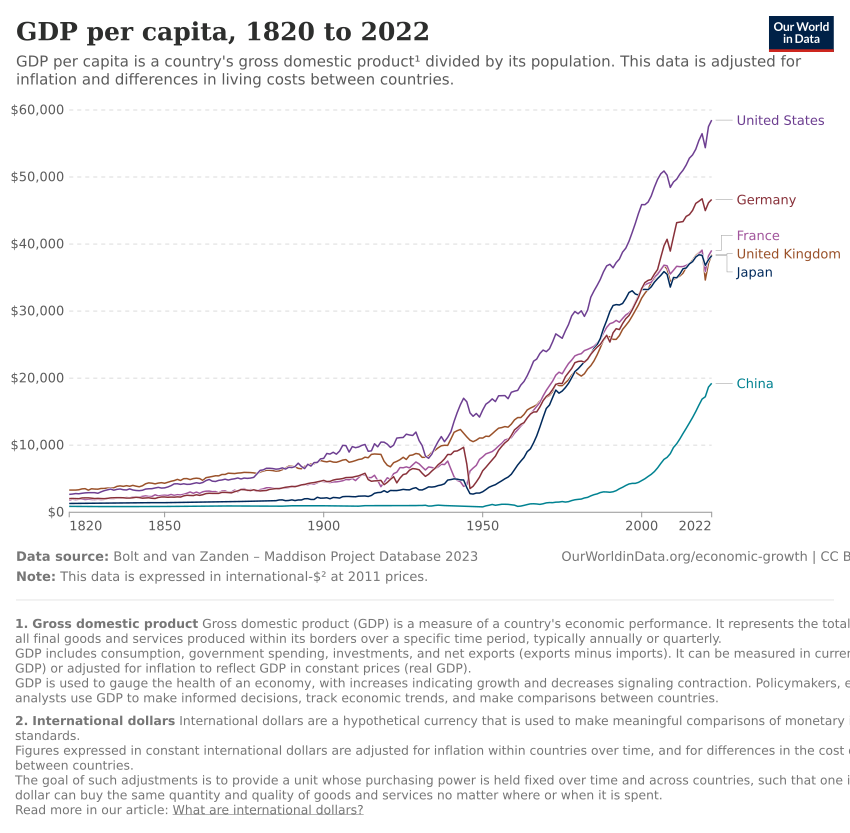
America’s 250th birthday gave us the perfect excuse to ask one of our favorite kinds of economics questions: why did the United States become so economically successful? We start by thinking through some of the country’s earliest advantages. Was it abundant natural resources? Strong property rights? The legal structure behind corporations? Or was it something less tangible, like a culture that rewarded entrepreneurship and encouraged people to take risks? Generations of people were willing to leave everything behind to create a country where trying something new became part of the national identity.
From there, we shifted to the policies that quietly changed the American economy. The Interstate Highway System became one of our favorite examples because it connected markets, expanded labor opportunities, and fundamentally changed how people and businesses interacted across the country. We also talked about the Homestead Act, the Federal Reserve, property rights, the GI Bill, and Social Security, along with the challenge of identifying which policies deserve far more credit than they usually receive.
Looking at today’s economy, we each picked an area where we think the United States still has room to improve. Housing affordability stood out as one of the biggest challenges, especially as restrictive building policies make homeownership increasingly difficult in many cities. Healthcare was another major topic, but not because the quality of care has failed to improve, but because paying for it has become increasingly confusing and expensive. We also discussed education costs and how expanding opportunity remains central to long-term economic growth.
Finally, we looked ahead to America 300. Will artificial intelligence eliminate jobs the same way earlier technologies replaced occupations that once seemed permanent? Could new industries emerge that we can’t even imagine today? We also wondered whether encouraging more entrepreneurship and making it easier for smaller businesses to compete could become one of the defining economic challenges of the next generation.
America’s economy has changed dramatically over the past 250 years, and chances are it’ll look just as different 50 years from now. If you had to pick one policy, innovation, or cultural change that mattered most in building today’s economy, what would it be? We’d love to hear your thoughts in the comments.
Pop Culture Corner 🍿
Jadrian recommended the new Planet Money book because it felt like all the best episodes of Planet Money merged into a single book. If you enjoy the way the Planet Money team explains complicated economic ideas through fascinating stories, this is an easy addition to your library.

Matt’s America 250 recommendation was Molasses to Rum from the classic musical 1776. He wouldn’t name names, but he’s aware that some people watch the musical every Fourth of July as part of their annual tradition. The song describes the 18th-century Transatlantic economy, which was based on the economic cycle that fueled the “Triangle Trade” between the American colonies, West Africa, and the Caribbean.
Have a question or topic idea? Reply to this email or drop it in the comments!


