



The 2000s began with a strong economy, low unemployment, growing globalization, and plenty of optimism left over from the 1990s. Then came the dot-com crash, 9/11, China’s entry into the World Trade Organization, major manufacturing job losses, and a sharp increase in federal debt. We look at how those events reshaped markets, jobs, government spending, and household finances. We decided to stop just before the Great Recession, which is big enough to get an episode of its own.
In this episode, we talk about:
What the 2000s inherited from the booming economy of the late 1990s
The economic fallout from 9/11 and the wars that followed
China’s WTO entry, globalization, and the decline of manufacturing employment
How interest rates, household debt, and easy borrowing set the stage for what came next
If you liked this conversation, you might also enjoy
This Week’s Drinks 🍻
Jadrian finally got the chance to bring out his Pabst Blue Ribbon mixed with Grillo’s pickle juice, timed nicely with the approach of Picklesburgh. Matt went with a Summer Shred Hazy IPA from Ever Grain Brewing Company, which has no connection to the 2000s but was apparently overdue for an appearance. Brian leaned into the decade with a mojito, inspired by the super-sweet, fruit-heavy cocktails that were everywhere in the 2000s.
Name That Stat 📊
This week's numbers covered several different corners of the 2000s economy. We looked at the explosive growth of the World Series of Poker's Main Event, the dramatic collapse of the NASDAQ after the dot-com bubble burst, and the millions of manufacturing jobs lost during the decade.
Along the way, we also explored how unemployment, federal debt, and financial markets changed over one of the most turbulent economic periods in recent history.
Show Notes
We have a packed episode, but thankfully we have Brian O’Roark back to help us make sense of the 2000s. It was a decade packed with an incredible amount of economic history, but we start by asking what the decade inherited from the 1990s. The answer was a lot of economic optimism, despite initial fears of bank failures, grounded airplanes, and collapsing computer systems thanks to the Y2K scare.
Unemployment was at levels that once seemed unusually low, the federal government had recently run budget surpluses, globalization was accelerating, and the stock market had spent years climbing. Europe was moving toward physical euro notes, China was approaching entry into the World Trade Organization, and economists had plenty of reasons to believe freer trade and deeper international connections would create broad gains. That optimism did not last long.
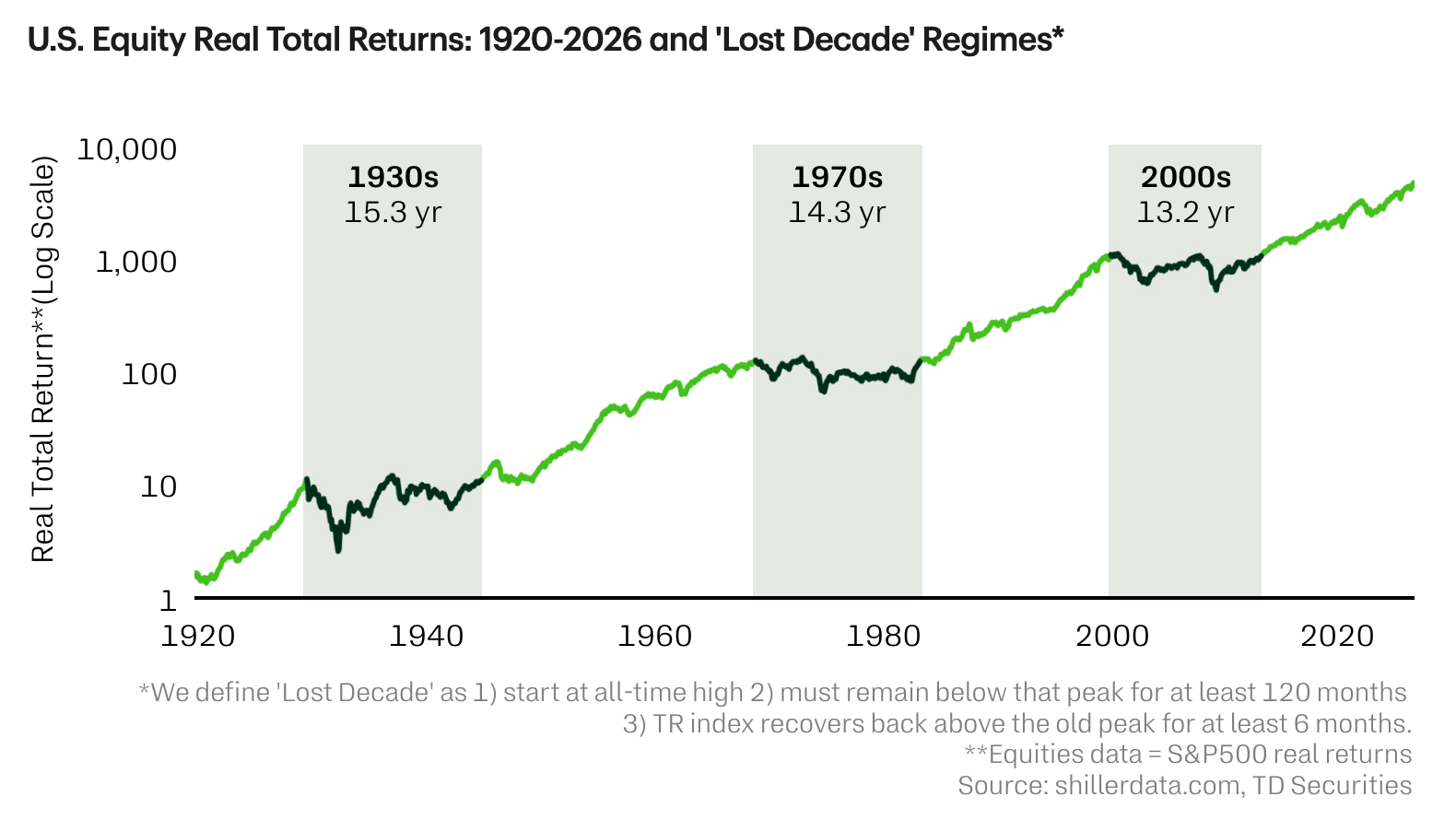
The dot-com bubble burst, and the ensuing Nasdaq crash forced some people to remain in the workforce much longer than expected. The broader stock market offered very little progress for anyone who invested in the beginning and was hoping to cash out at the end. This is part of the reason the decade is sometimes described as a lost decade for investors and households.
Even though 9/11 was not primarily an economic event, its economic consequences spread quickly and lasted for years. Airlines stopped flying, travel and commerce were disrupted, and businesses faced an entirely new security environment. The longer-term effects included the wars in Afghanistan and Iraq, the expansion of the security state, and a major increase in military and federal spending. That helped push the national debt much higher during the decade and marked a dramatic break from the budget surpluses inherited from the late 1990s.
The decade also provided an opportunity to look at globalization and the labor market. China’s entry into the WTO accelerated a shift that was already underway in communities built around manufacturing. American manufacturing continues to produce an enormous amount of stuff, but it increasingly does so with fewer workers. Those losses were concentrated in particular towns and regions and led to wider consequences, including effects on health, crime, educational opportunities, political attitudes, and the opioid crisis.
We closed with a look at the numbers that defined the decade: unemployment rising after two separate recessions, household debt payments taking up a larger share of disposable income, median household income struggling to make sustained progress, and federal interest rates moving sharply up and down. The Federal Reserve cut rates aggressively after the early recession, kept borrowing unusually cheap, and later raised rates again before dropping them toward zero during the crisis. We had to stop before covering the Great Recession because it was too important (and too complicated) to squeeze into the end of this conversation.
When you think back on the 2000s, which economic change feels most important to you: the dot-com crash, globalization, 9/11, the changing job market, or something else entirely? Leave a comment and tell us what stands out from your own experience of the decade.
Pop Culture Corner 🍿
Matt raised a glass to longtime Federal Reserve Chair Alan Greenspan and recommended his book The Age of Turbulence. Greenspan’s decisions, and the wider debate over whether interest rates stayed too low for too long, fit directly into the decade’s story. The book offers a natural companion to the episode’s discussion of monetary policy, recessions, and the buildup to the housing crisis.

Brian revisited the classic Simpsons episode in which Homer’s car ends up immobilized between the Twin Towers. While the rest of the family enjoys New York, Homer is forced to wait all day for a parking official who may arrive at any time. It works as a lesson in opportunity cost and government inefficiency, but it also preserves an image of pre-9/11 New York that now carries much more emotional weight.
Jadrian chose HGTV’s House Hunters, which debuted in 1999 and became a perfect symbol of the housing culture that grew during the 2000s. Cheap mortgages, ambitious renovations, house flipping, and buyers casually discussing budgets that look almost unbelievable today all captured the mood of the pre-recession housing boom. Old clips now feel like little time capsules from an era when rising home values seemed almost automatic.
Have a question or topic idea? Reply to this email or drop it in the comments!


