



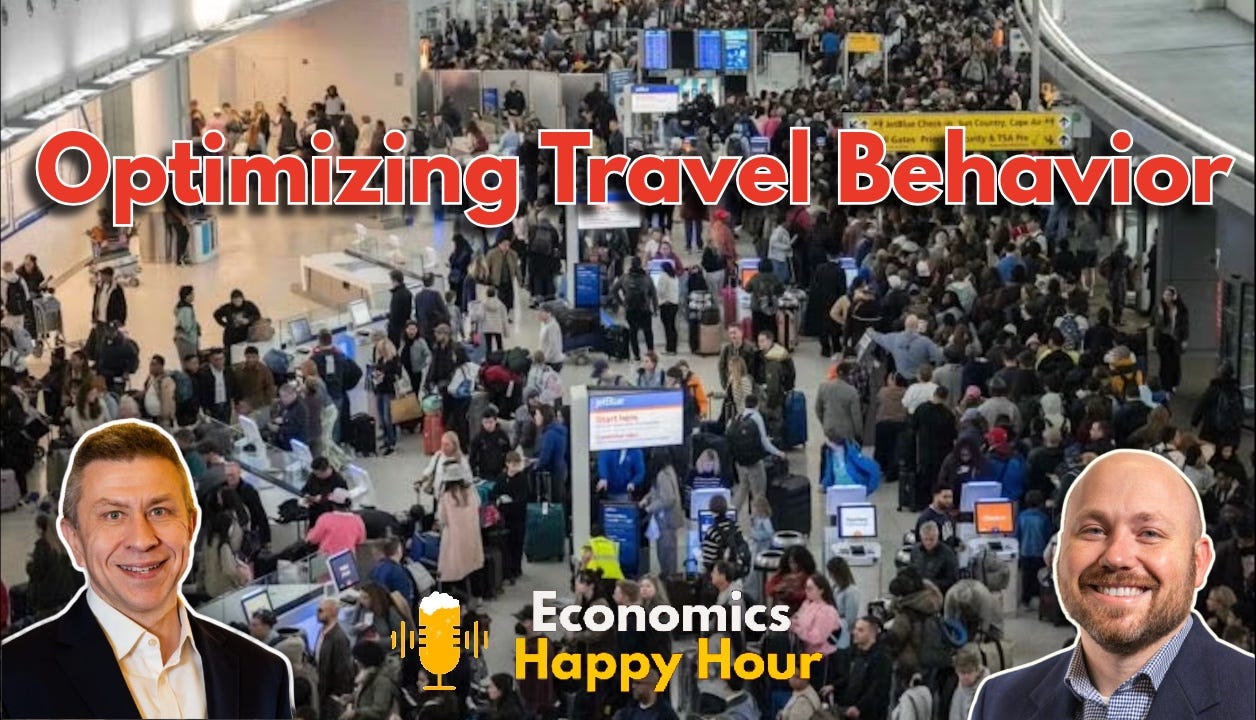
How early is too early to get to the airport? This episode looks at that question through an economic lens. We explore the tradeoffs between time, risk, and the cost of missing a flight, using data and real travel experiences. What seems like a simple decision turns out to reflect how we think about uncertainty, incentives, and risk.
In this episode, we talk about:
The tradeoff between arriving early and risking missed flights
How opportunity cost shapes airport arrival decisions
Real-world data on how early people actually arrive at airports
Why small airports vs. major hubs change optimal timing
Risk aversion in travel decisions and flight planning
Airline incentives, overbooking, and voluntary bumping decisions
If you liked this conversation, you might also enjoy
This Week’s Drinks 🍻
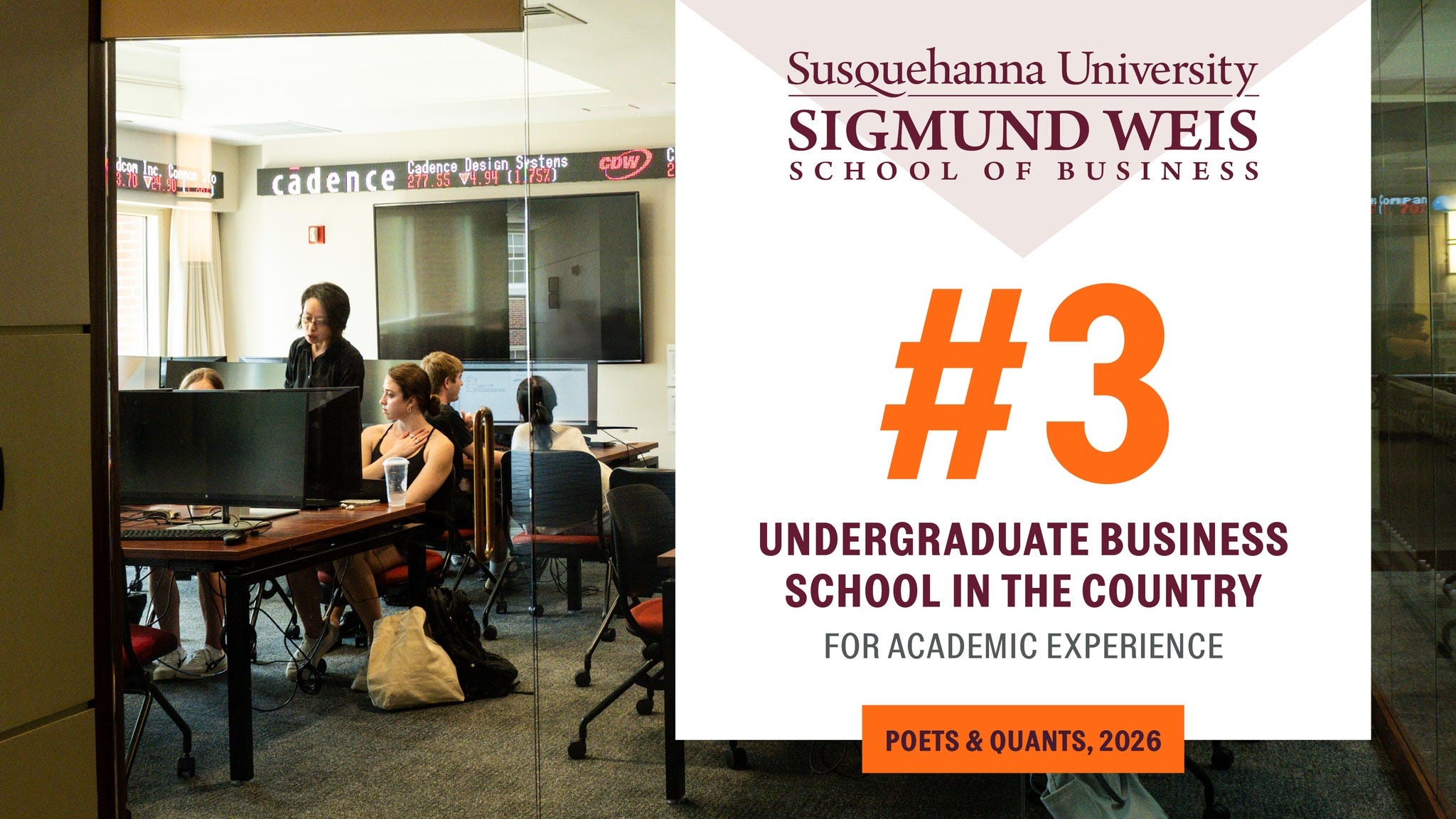
Spring break might be over, but the drinks still feel like spring. Jadrian is trying a Sam Adams Blackberry Wheat Beer from a new variety pack, and Matt is pouring a Kalik from his recent cruise to the Bahamas. It’s a fitting way to celebrate some big news: Susquehanna has been ranked third in the country for undergraduate business experience by Poets & Quants.
Name That Stat 📊
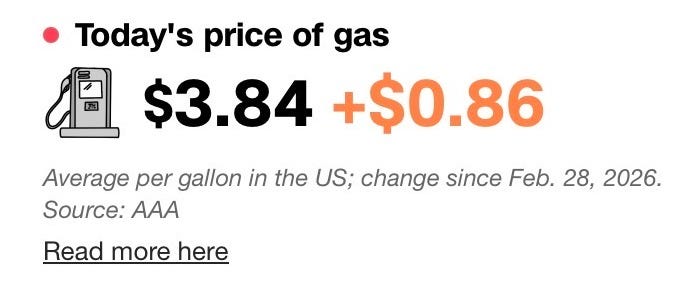
Matt kicked off our new segment with a number that highlights the recent jump in fuel prices from late February to mid-March. Jadrian kept things going with another price increase: how much fresh fruit and vegetables have risen over the past year.
Show Notes
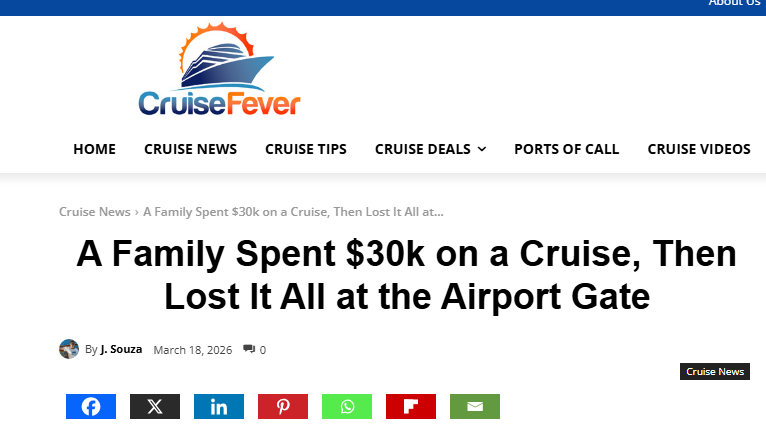
Today’s episode was motivated by an article Matt read about a family who spent $30,000 on a cruise but lost it all at the gate. The issue? They were scheduled to fly into the cruise port the morning of departure, but their flight was delayed just enough that they missed the cruise entirely.
We’re not diving into the economics of delays or cancellations, but the story got us thinking about a different question: how early should you get to the airport? It’s a simple setup that highlights a classic tradeoff. Arrive too early and you’re wasting time at the airport. Arrive too late and you risk missing your flight. The “right” choice depends on how you balance time versus risk.
Survey data suggests many travelers aim to arrive one to two hours early, though actual behavior varies widely depending on experience and preferences. We share some of our own strategies, but it turns out that Nate Silver has been thinking about this too.
Drawing on data from 800 flights, he offers a framework for when travelers should arrive at the airport. His approach considers many of the same factors we talked about, including things like drive time, airport size, and whether you’re flying through a regional airport or a major hub.

George Stigler famously observed, “If you never miss a plane, you’re spending too much time at the airport.” It’s a common experience that is also a useful way to think about everyday decision-making. People differ in their tolerance for risk, how they value time, and how flexible they can be if something goes wrong. Whether it’s arriving early, cutting it close, or accepting compensation to take a later flight, each choice reflects a personal optimization problem shaped by constraints and incentives.
Would you rather arrive early and wait, or risk missing your flight to save time?
Pop Culture Corner 🍿
In a podcast first (we think), Matt ceded his pop culture segment so Jadrian could share two clips. The first comes from Brooklyn Nine-Nine, where a risk-averse character plans to arrive at the airport five hours early for a domestic flight. His coworkers convince him to go even earlier (seven hours ahead of departure). Despite all that, he still ends up missing the flight, though he had (of course) booked a backup flight just in case.
In Jadrian’s second clip, he turns to the question of whether to accept airline vouchers to take a later flight. In Life in Pieces, one family repeatedly volunteers to get bumped in exchange for vouchers, only to end up stuck overnight when the last flight is canceled. They take it in stride, though, because the airline covers the hotel.
Have a question or topic idea? Reply to this email or drop it in the comments!


