



Ticket prices are in the spotlight as the NCAA football championship and the upcoming World Cup push demand to extremes. We dig into why resale markets exist, why prices can explode, and why face value often has little to do with what fans actually pay. Using real examples from college football, the World Cup, and concerts, we talk through supply, demand, and who really benefits from ticket resale. Along the way, we wrestle with whether there’s a “better” system or if frustration is just part of the market.
In this episode, we talk about:
Why national championship tickets can cost $3,000 before teams are even announced
How World Cup ticketing systems create confusion, scarcity, and frustration
The role of resale platforms like Ticketmaster and StubHub in shaping prices
Why events often underprice tickets initially and let secondary markets take over
Whether there’s a better way to price tickets without banning resale or rewarding bots
If you liked this conversation, you might also enjoy
Show notes & references
Jadrian checked in from Pittsburgh, where a hotel stay unexpectedly came with complimentary nightly drinks. He enjoyed The Oaklander, a hazy IPA brewed by Two Frays Brewery. Matt stuck with a Bud Zero as part of “healthy January,” and shared some updates on cutting snacks, eating better lunches, and trying to keep habits sustainable during the semester.
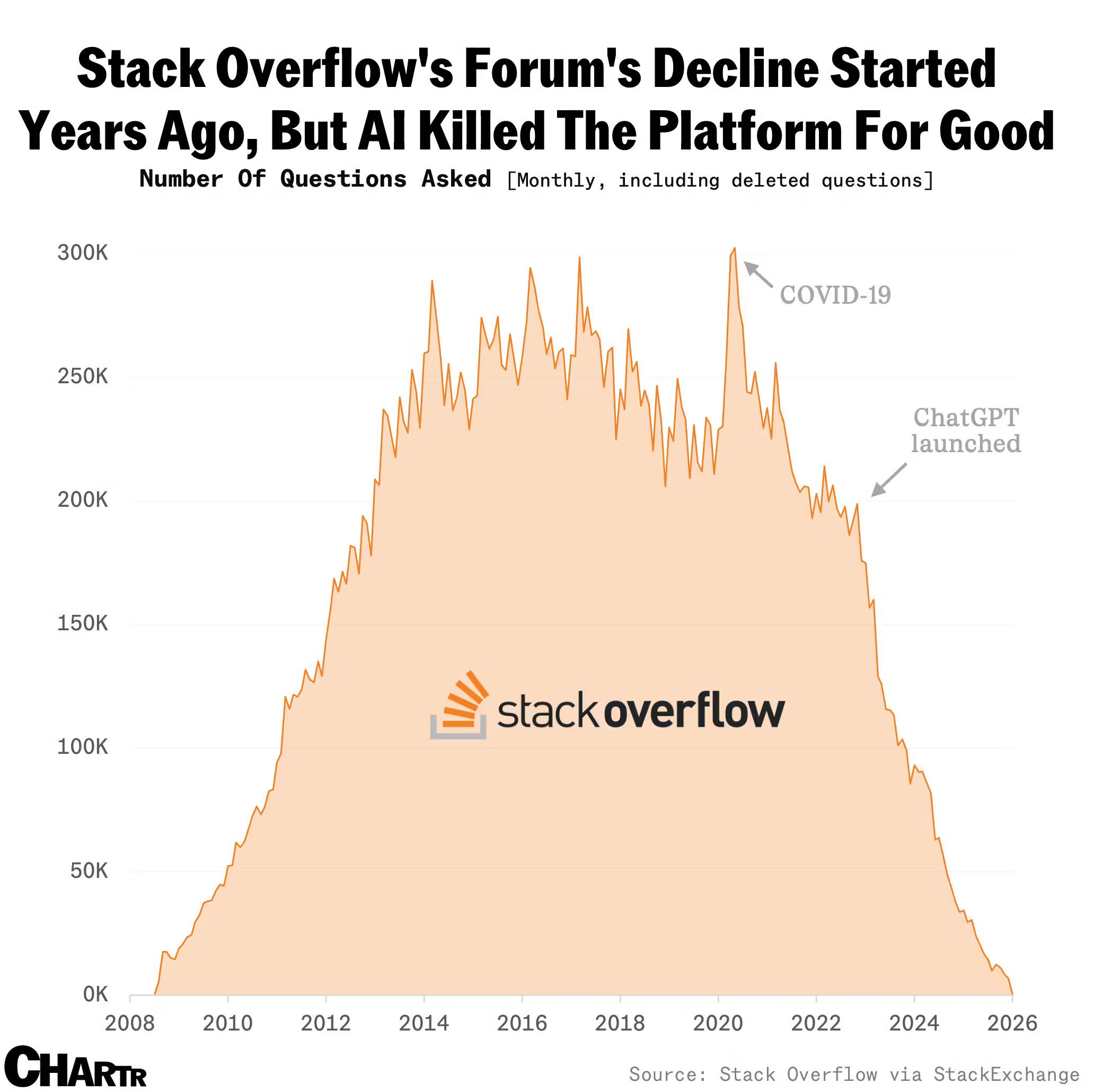
This week’s data point analysis featured a look at how large language models like ChatGPT have changed the way programmers use Stack Overflow. The number of questions posted on the site has collapsed from hundreds of thousands per month to just a few thousand last month. Matt’s contribution helped form the basis of this week’s post by offering up a headline claiming that the 2026 World Cup would generate $47 billion in economic impact. We’re skeptical.
With several major sporting events approaching, ticket prices have become a natural case study in supply and demand. The upcoming NCAA football championship tickets are pushing past $3,000 on verified resale sites, even though we don’t know which teams will be in the game. Tickets for the semifinal games can still be found for under $200. Same sport, same stakes, wildly different prices.
Even with really high prices, sometimes the sellers require buyers to jump through several hoops to secure tickets. Matt shared a firsthand account of navigating FIFA’s multi-step ticketing process. Buying the “right to buy” tickets, long before matchups are known, highlights how firms profit from scarcity. While the experience may be memorable, the system itself feels opaque and, at times, deliberately confusing.
So, why don’t leagues and artists just charge the market-clearing price up front? Drawing on research by Eric Budish, we explore explanations ranging from public relations concerns to atmosphere effects. Teams may want “true fans” in the seats, not just the highest bidders. There’s also the uncomfortable possibility that venues and platforms benefit from resale fees changing hands multiple times.
The episode wraps with a broader question: is there a fix? Verified fan systems, limits on resale, airline-style non-transferable tickets, and even UK-style resale bans all come with tradeoffs. In the end, the market mostly works, but not without frustration, high fees, and the lingering sense that the wrong people are capturing too much of the value.
What’s the worst ticket-buying experience you’ve had, and why?
Pop Culture Corner
Jadrian went with a classic episode from The Simpsons centered on ticket scalping. Homer waits in line for several days to buy tickets, but gets shut out by a buyer who grabs all remaining tickets. He’s left to purchase much higher-priced resale tickets later.
Matt highlights a student-led project analyzing game theory in Bridgerton. The video breaks down strategic decision-making in how Daphne and Simon’s relationship can be modeled with multiple possible Nash equilibria.
Have a question or topic idea? Reply to this email or drop it in the comments!


